Underwater Treadmill
Adjustable speed, water depth, and temperature for controlled exercise.
Hydrotherapy, red light therapy, acupuncture, CBD, and other approaches you may hear about — explained for awareness, not as medical recommendations
Educational use only. Nothing on this page diagnoses, prescribes, or replaces care from a licensed veterinarian. Effectiveness varies by dog, condition, and provider. Always discuss any new therapy or supplement with your vet before starting.
An underwater treadmill provides a safe, controlled environment for low-impact exercise and muscle strengthening — one of the most widely used tools in canine hydrotherapy.
Comprehensive evaluation of your dog's condition and mobility
Development of a personalized treatment plan based on your dog's needs
Gradual increase in intensity and duration as your dog improves
Regular assessments and adjustments to ensure optimal progress
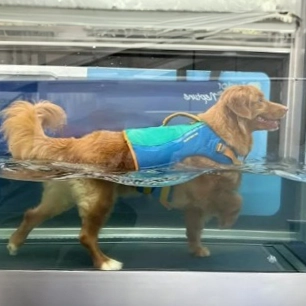
Specialized rehabilitation programs for dogs recovering from orthopedic surgeries, injuries, and neurological conditions.
Reputable rehab programs work closely with your veterinarian. Certified therapists (CCRT, CCRP, or equivalent) use evidence-based techniques to promote healing and restore function.
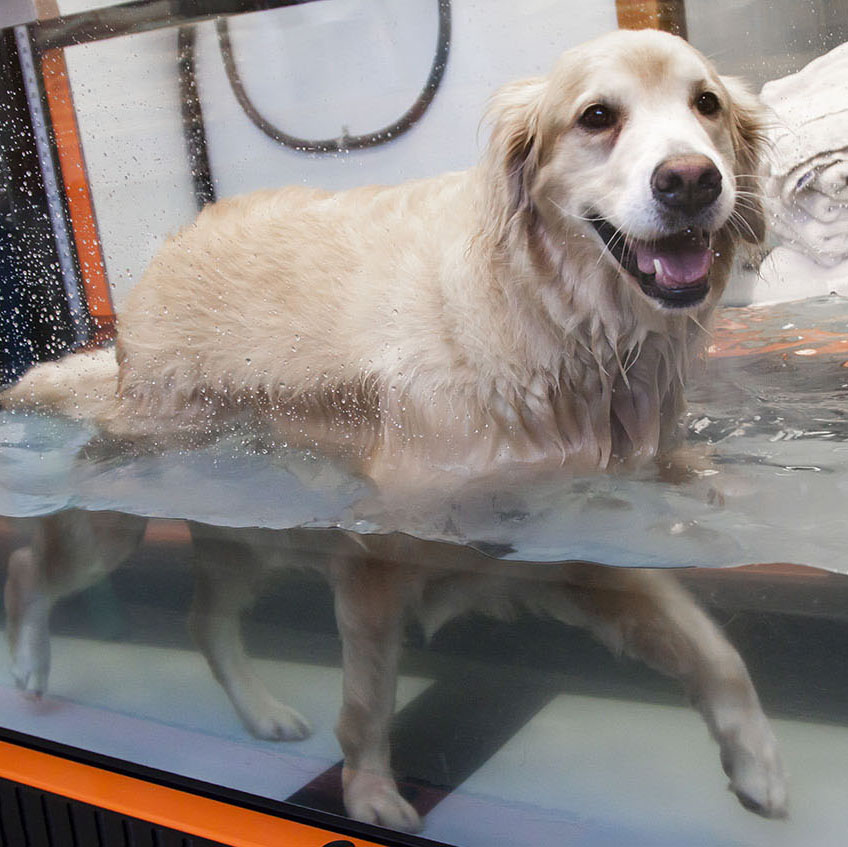
Gentle, specialized care for aging dogs to maintain mobility, manage arthritis, and improve quality of life.
Many facilities offer gentle hydrotherapy sessions combined with pain-management strategies and lifestyle recommendations to help senior dogs stay mobile and comfortable.
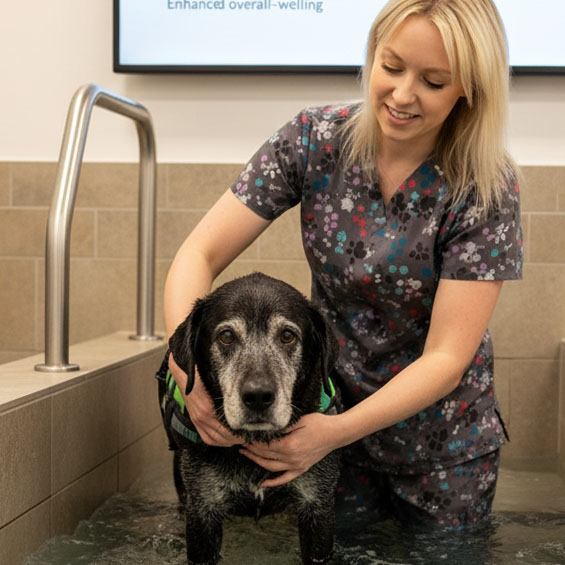
Performance enhancement and injury prevention programs for athletic dogs and working breeds.
Designed for competitive dogs, working dogs, and active pets. Programs typically focus on strength, endurance, and injury prevention through controlled conditioning.
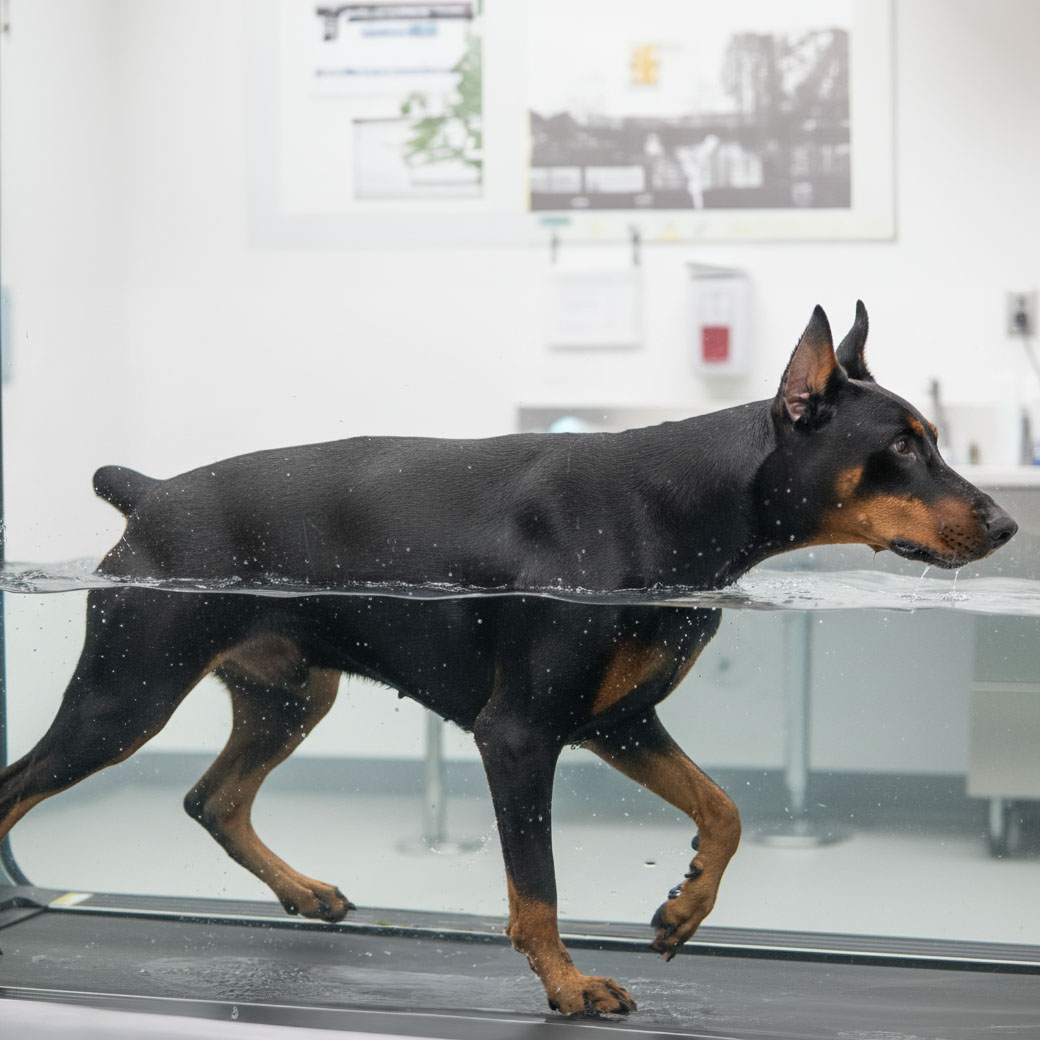
Red light therapy uses specific wavelengths of light (often red and near-infrared) aimed at tissues to support cellular function. Some rehabilitation clinics, veterinarians, and at-home devices offer it as a complementary option alongside exercise-based rehab.
Confirm the device, wavelength, and treatment area are appropriate for your dog's diagnosis (especially near eyes, tumors, or open wounds).
A handheld panel, wrap, or clinic unit is applied for a set time over targeted muscles or joints.
Schedules vary; progress should be tracked alongside your dog's overall rehab plan.
Red Light Therapy
Acupuncture involves placing very fine needles at specific points on the body to influence pain pathways, circulation, and muscle tension. It is practiced by veterinarians (and, in some regions, certified professionals working under veterinary supervision) as a complementary approach for mobility and comfort.
The practitioner reviews history, gait, and pain areas; acupuncture points are selected for that individual dog.
Sterile, single-use needles are placed and left in for several minutes while the dog rests.
Weekly or biweekly sessions are common at first; spacing may widen as improvement is observed.
Veterinary Acupuncture
CBD products for pets are widely marketed for anxiety, pain, and inflammation. Laws, product quality, and veterinary guidance vary. This section is for awareness only — not an endorsement of any product or dose.
Could CBD interact with pain medications, seizure drugs, or sedatives your dog already takes?
Ask about third-party lab testing (COA), THC limits, and reputable manufacturers — avoid human edibles entirely.
CBD is not a replacement for surgery, rehab exercise, weight management, or prescribed pain control when those are needed.
CBD Awareness
Common tools and systems — features vary by clinic. Not every facility has every item.
Adjustable speed, water depth, and temperature for controlled exercise.
Warm water is often kept in a comfortable range for the dog (commonly around 88–92°F).
Emergency stops, harness support, and staff monitoring during sessions.
Cleaning protocols between dogs to maintain water quality and hygiene.
Some clinics offer photobiomodulation devices — vet-guided protocols recommended.
When evaluating a provider, prioritize credentials and clear safety practices over marketing claims.
Therapists should hold recognized certification in canine hydrotherapy or rehabilitation (e.g., CCRT, CCRP).
Reputable providers coordinate with your veterinarian and respect medical restrictions.
Ask about emergency procedures, sanitation, and how anxious dogs are handled.
Review conditions that match your dog's situation, then read the getting-started guide before contacting a local rehab provider.
Getting Started Guide